
Sleep Hygiene Explained: Habits for Better Rest and Well-Being

TL;DR:
Sleep hygiene is a layered practice involving habits, environment, and mental health factors.
Consistent sleep timing and environment optimization have the strongest research-supported benefits.
For persistent sleep issues, combining sleep hygiene with therapies like CBT-I is most effective.
You might already dim your lights before bed, skip the late-night espresso, and keep your phone on silent. So why do you still wake up feeling like you barely slept? Here’s the uncomfortable truth: 94% of students reported good sleep hygiene yet 60% still experienced poor sleep quality. That gap tells us something important. Sleep hygiene is not a simple checklist you tick off each night. It is a dynamic, layered practice that intersects with your mental health, emotional patterns, and daily habits. In this article, you will learn exactly what sleep hygiene means, why it matters for your well-being, and how to apply it in ways that actually move the needle.
Table of Contents
Key Takeaways
Point | Details |
Sleep hygiene basics | Sleep hygiene means daily habits and environment choices that support high-quality sleep. |
Mental health benefits | Effective sleep hygiene can improve mood, stress levels, and overall emotional resilience. |
Regularity matters most | Going to bed and waking up at consistent times is more important than amount of sleep for health outcomes. |
Limits of hygiene | Sleep hygiene alone won’t solve chronic disorders like insomnia—seek professional help for ongoing issues. |
What is sleep hygiene?
Now that you know why sleep quality can be elusive, let us clarify what the term “sleep hygiene” really means and why it matters.
The phrase was first used in clinical settings in the 1970s, but it has since become a cornerstone of public health guidance. At its core, sleep hygiene refers to a variety of practices and habits designed to promote consistent, high-quality sleep by addressing behaviors and environmental factors that precede sleep and may interfere with it. Think of it less like a rigid bedtime routine and more like a set of conditions you create so your body and mind can do what they are naturally built to do.
Sleep hygiene is not about perfection. It is about building an environment and a set of behaviors that make quality sleep the path of least resistance for your body.
The goal of sleep hygiene is twofold. First, it aims to prevent sleep problems from developing in the first place. Second, it supports consistent, restorative sleep over time. It is not designed to treat diagnosed sleep disorders on its own, but it forms a powerful foundation for anyone looking to improve how they rest.
Some of the most well-recognized sleep hygiene behaviors include:
Keeping a consistent sleep and wake schedule, even on weekends
Limiting exposure to screens and blue light in the hour before bed
Keeping your bedroom cool, dark, and quiet to signal sleep readiness
Avoiding caffeine and alcohol in the hours leading up to bedtime
Winding down with a calming pre-sleep routine, such as reading or light stretching
Reserving your bed for sleep, not work, scrolling, or watching TV
What makes sleep hygiene so relevant to mental health and self-care is that these habits do not operate in isolation. They ripple outward into your mood, focus, and emotional resilience throughout the day. When you treat sleep as a priority rather than an afterthought, you are investing in every other area of your health.
It is also worth noting what sleep hygiene is not. It is not a cure for clinical insomnia, sleep apnea, or other diagnosed disorders. Think of it like brushing your teeth. Good dental hygiene prevents cavities, but it does not fill the ones you already have. Sleep hygiene works the same way. Pairing it with self-care routines that address stress and emotional regulation makes it even more effective.
How sleep hygiene impacts mental and emotional health
With a working definition in place, let us uncover how sleep hygiene goes beyond basic sleep and makes a real difference for mental and emotional health.
Sleep is not passive recovery. While you sleep, your brain processes emotional memories, consolidates learning, and regulates stress hormones like cortisol. When sleep is fragmented or insufficient, this process breaks down. The result is a vicious cycle: poor sleep worsens mood and stress reactivity, which in turn makes it harder to fall asleep the next night.
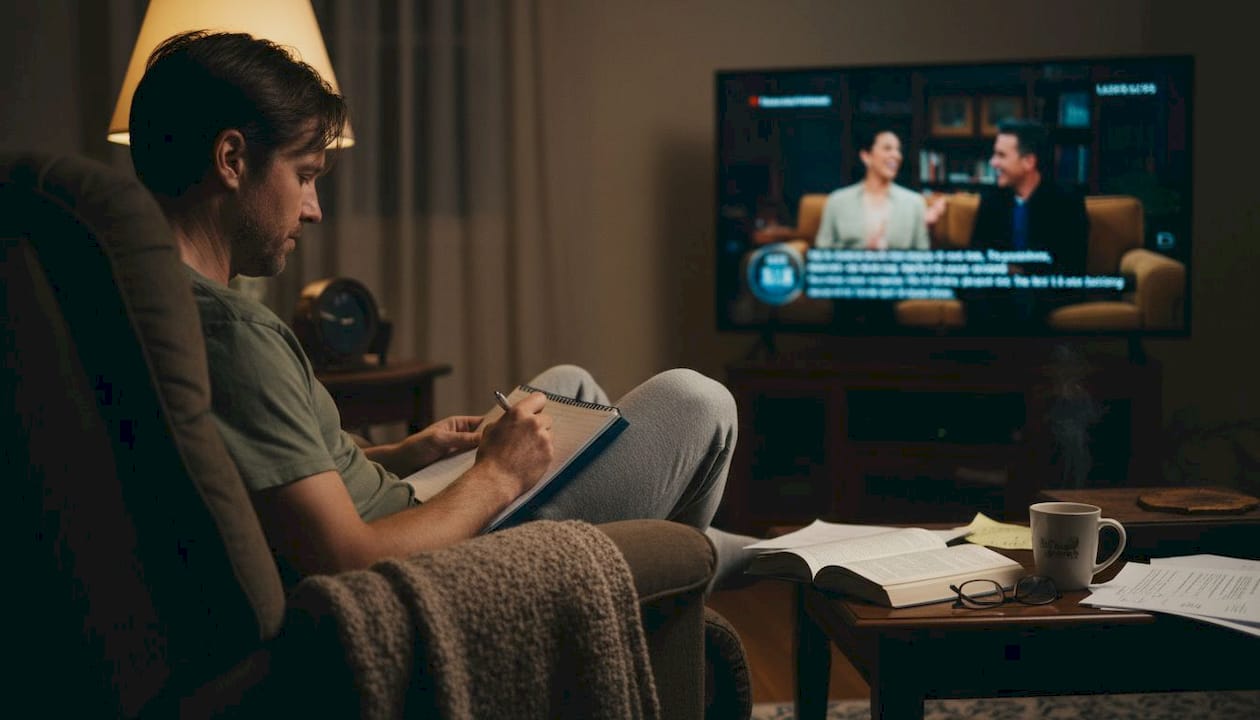
Research-backed habits that support mental wellness strategies are closely tied to sleep quality. The National Institute on Aging highlights specific behaviors that protect sleep and, by extension, mental health:
Sleep hygiene habit | Mental health benefit |
Consistent sleep schedule | Stabilizes mood and reduces anxiety |
Avoiding screens before bed | Lowers cortisol and improves melatonin production |
Limiting late caffeine/alcohol | Reduces sleep fragmentation and next-day irritability |
Regular physical activity | Decreases depression symptoms and improves sleep depth |
Avoiding large late meals | Prevents disrupted sleep cycles that impair memory consolidation |
The NIA’s healthy sleep guidance emphasizes that avoiding late caffeine, alcohol, large meals, and screens while maintaining a regular schedule and exercise routine are among the most impactful steps you can take, particularly as you age.
Emotional regulation is another area where sleep hygiene pays dividends. When you follow consistent emotional health routines that include a structured wind-down period, you give your nervous system time to shift out of “alert” mode. This transition is critical for emotional processing.
Pro Tip: If you struggle with racing thoughts at bedtime, try a five-minute “brain dump” journal entry before you start your wind-down routine. Writing down tomorrow’s to-do list or your current worries moves them out of active mental space and makes it easier to relax.
Some of the most notable mental health benefits of consistent sleep hygiene include:
Improved working memory and focus during the day
Greater emotional resilience when facing stress
Lower baseline anxiety levels over time
Reduced risk of mood disorders with sustained practice
For a deeper look at how sleep connects to recovery and overall wellness, the sleep recovery guide on Life So Well offers practical, evidence-informed strategies.
Best practices for effective sleep hygiene
Understanding the impact on well-being sets the stage for practical steps. Here are the best practices, compared for clarity.
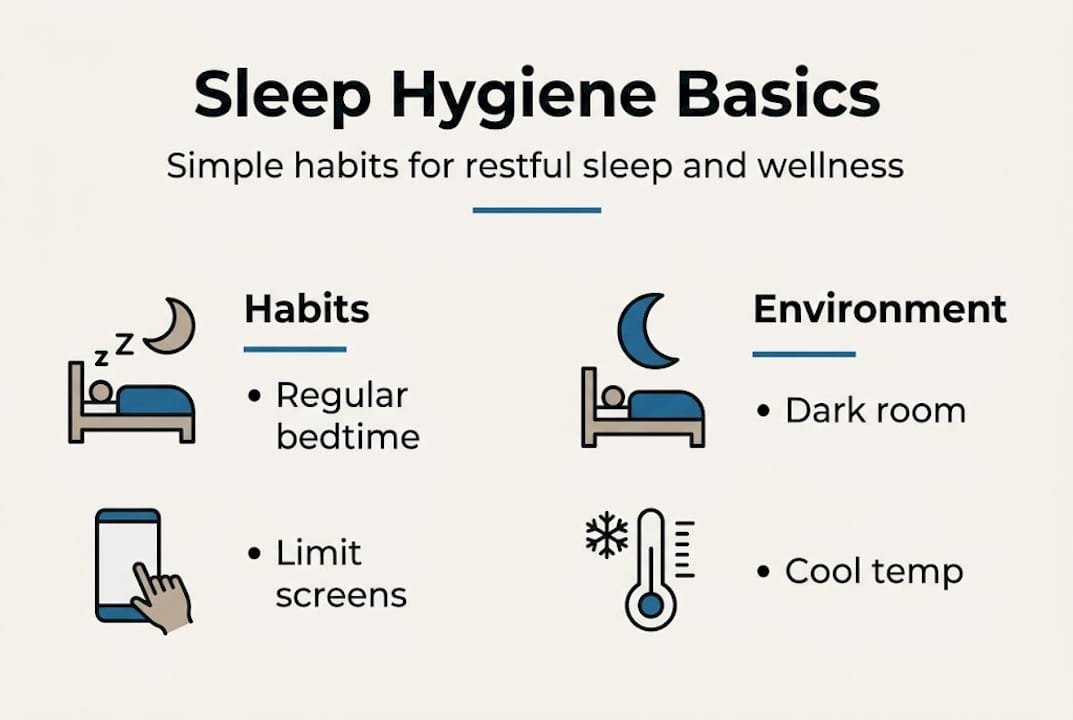
Not all sleep hygiene habits are created equal. Some have stronger research support than others, and some common routines people rely on can actually backfire. Here is a comparison to help you prioritize:
Common routine | Expert-recommended alternative |
Sleeping in on weekends to “catch up” | Keeping wake time consistent every day |
Using alcohol to wind down | Herbal tea or light stretching before bed |
Napping whenever tired | Limiting naps to 20 minutes before 3 PM |
Scrolling until you feel sleepy | Dimming lights and reading a physical book |
Exercising late at night | Morning or early afternoon workouts |
Here is a numbered breakdown of the most effective practices, ranked by research support:
Set a consistent sleep and wake time. This is the single most impactful habit. Sleep regularity independently predicts lower dementia risk and reduced mortality, beyond sleep duration alone. Regularity trains your circadian rhythm more effectively than any supplement.
Optimize your sleep environment. Keep your room between 65 and 68 degrees Fahrenheit, use blackout curtains, and reduce noise. Your brain associates environmental cues with sleep, so consistency here reinforces the habit.
Avoid stimulants and heavy meals late in the day. The NIA recommends avoiding caffeine, alcohol, and large meals in the hours before bed, as all three interfere with sleep architecture in measurable ways.
Limit screens one hour before bed. Blue light suppresses melatonin production, making it harder to feel naturally sleepy. Replace screen time with low-stimulation activities.
Exercise regularly, but time it wisely. Physical activity improves sleep depth and reduces the time it takes to fall asleep. Morning or afternoon workouts tend to work best for most people.
Pro Tip: Pair your sleep routine with nutrition tips for sleep by choosing a light, tryptophan-rich snack like a small handful of nuts or a banana if you feel hungry before bed. Tryptophan supports serotonin and melatonin production.
For more on how recovery strategies fit into a broader wellness plan, Life So Well covers the full picture.
When sleep hygiene isn’t enough: Nuances and limitations
Even the strongest routines sometimes fail. Let us explore where the limits are, and what to do when sleep hygiene is not solving deeper problems.
Sleep hygiene is powerful, but it has a ceiling. For people dealing with chronic insomnia, anxiety disorders, or underlying medical conditions, following every guideline perfectly may still leave you staring at the ceiling at 2 AM. That is not a personal failure. It is a signal that a different tool is needed.
Key statistic: Meta-analyses show that sleep hygiene education reduces insomnia severity scores by approximately 3.4 points on the Insomnia Severity Index. That is meaningful progress, but it is significantly less effective than Cognitive Behavioral Therapy for Insomnia (CBT-I) when used alone for chronic cases.
CBT-I is currently the gold-standard treatment for chronic insomnia. It addresses the thought patterns and behaviors that perpetuate sleeplessness, not just the surface-level habits. Sleep hygiene works best as a foundation, but for persistent issues, it needs to be paired with more targeted intervention.
Here is how to tell when it is time to look beyond hygiene alone:
You have followed consistent sleep hygiene practices for four or more weeks without improvement
You experience significant daytime impairment, such as difficulty concentrating or mood disturbances
You rely on sleep aids regularly to fall or stay asleep
You wake frequently during the night or wake too early and cannot return to sleep
Sleep anxiety, where you dread going to bed, has become a pattern
As SBM explains, sleep hygiene works best preventively or for mild issues. For diagnosed disorders, combining it with CBT-I or working with a sleep specialist is the more effective path. Just as dental hygiene prevents cavities but does not fill existing ones, sleep hygiene prevents problems but does not always resolve them once they are entrenched.
If you recognize yourself in that list, exploring resources on insomnia and sleep recovery is a strong next step before or alongside seeking professional support.
A fresh perspective: Sleep hygiene is only the starting line
The conventional wisdom about sleep hygiene is just part of the equation. Let us take a deeper look at what truly moves the needle.
Most articles on sleep hygiene hand you a list of tips and send you on your way. But here is what those guides rarely say: following a checklist without addressing the underlying conditions of your life is like mopping the floor while the faucet is still running. Stress, irregular schedules, poor emotional boundaries, and disconnected self-care habits will undermine even the most disciplined bedtime routine.
What the research now shows is striking. Sleep regularity predicts health outcomes more powerfully than sleep duration in some studies. That means going to bed and waking at the same time consistently matters more than squeezing in an extra hour here and there. This is a fundamental shift from the “get your eight hours” narrative most of us grew up with.
The real work is integrating sleep hygiene into a wellness workflow that supports your whole self. That means treating sleep not as a standalone habit but as one thread in a larger fabric of recovery, nutrition, movement, and emotional care. When you look at your body health holistically, sleep hygiene stops being a chore and starts being a natural expression of how you want to feel every day.
Explore tools to support better sleep and emotional wellness
Now that you understand the role of sleep hygiene and its limits, here is where you can find additional support and guidance.
Building better sleep habits is meaningful work, and you do not have to figure it out alone. Life So Well is designed to support you with practical, research-informed content across every dimension of wellness.

Whether you are working on managing stress, building emotional resilience, or creating routines that actually stick, the emotional wellness resources on Life So Well offer a range of articles and tools tailored to your journey. From mindfulness practices to self-care frameworks, there is guidance ready when you need it. Visit Life So Well to explore content that supports your mental health, sleep, and overall well-being every step of the way.
Frequently asked questions
What are common sleep hygiene mistakes?
Mistakes include irregular bedtimes, late-night screen use, caffeine close to bedtime, and inconsistent routines. The NIA identifies these as key disruptors of sleep quality across all age groups.
Does sleep hygiene cure insomnia?
Sleep hygiene can reduce mild insomnia symptoms but is less effective than CBT-I for chronic insomnia. If sleep issues persist beyond a few weeks, consulting a specialist is the recommended path.
How does sleep regularity affect health?
Consistent sleep timing independently lowers risk for dementia and early mortality, making regularity a stronger predictor of health outcomes than sleep duration alone.
Which sleep hygiene actions have the strongest effect?
Maintaining a consistent schedule, optimizing your bedroom environment, and avoiding stimulants late in the day are most strongly supported by research, according to NIA sleep guidance.
Recommended


Comments